

Menstrual Health: Breaking the Stigma
- 1 day ago
- 6 min read
Overview
Menstrual health is crucial for women's overall well-being but is often hindered by stigma and misinformation. This article discusses the importance of understanding menstrual health, breaking societal taboos, promoting education, and advocating for better access to menstrual products. It highlights the need for open conversations and policy changes to empower women and improve health outcomes.
Contents
Menstrual health is an essential aspect of women’s health, yet it continues to be a subject surrounded by stigma and misinformation. Understanding menstrual health involves more than just knowing about the biological processes of the female body. It encompasses a broader discussion about women’s rights, health education, and the importance of normalising conversations about menstruation. Whether we like it or not, periods are a natural part of life, affecting half of the population at some point in their lives. In this article, we aim to break down the barriers surrounding menstruation by exploring its significance, sharing academic research, and advocating for better education and resources to promote menstrual health.
The Importance of Menstrual Health
Menstrual health is vital for a woman's overall health. It affects not just physical well-being but also emotional and psychological aspects. A woman’s menstrual cycle can provide insights into her health status, hormone levels, and potential health issues. According to academic research, irregularities in menstrual cycles can indicate conditions like polycystic ovary syndrome (PCOS), thyroid dysfunction, and other reproductive health concerns. Thus, understanding and caring for menstruation should not be deemed a taboo topic, but rather a vital element of health education.
The Stigma Surrounding Menstruation
Despite being a biological fact, menstruation remains shrouded in stigma. Many cultures impose secrets and shame on the topic, leading women to feel isolated or embarrassed about something natural. This stigma can affect women’s mental health, making them feel as though they cannot discuss their concerns openly. Breaking this stigma is key to fostering a supportive environment where women can share their experiences and seek help when needed.
Social and Cultural Perspectives
Different cultures have unique approaches to discussing menstruation. In some regions, it is a topic of silence, while others might celebrate the transition into womanhood with ceremonies. Promoting open dialogue can contribute to dismantling unfounded beliefs and misunderstandings about the female body. Women Don’t Owe You Pretty is an insightful book that captures the essence of empowering women through understanding their bodies without societal pressures. You can find out more about this book here.
Education and Awareness
Education is the first step to breaking the stigma. Schools should incorporate menstrual health education into their curricula, allowing young people to understand how the female body works. Awareness can dismantle myths, help young women manage their health better, and ensure they feel empowered to seek medical advice when necessary. Books like The Female Body Bible offer comprehensive insights into women’s health, including menstruation and beyond. You can learn more about the book here.
Physical Health and Menstrual Cycles
A healthy menstrual cycle is indicative of overall well-being. Regular cycles suggest that the hormonal system is functioning effectively. Deviations from the norm can indicate underlying health issues, such as endometriosis or hormonal imbalances. Understanding your cycle is fundamental. Books like The Fifth Vital Sign empower readers to master their cycles and optimise their fertility, highlighting the importance of menstrual health. For more about this empowering resource, visit this link.
Impact on Mental Health
Menstruation can significantly impact a woman's mental health. Emotional changes related to the menstrual cycle, which can manifest as PMS or PMDD, can interfere with daily life. Recognising and addressing these mental health challenges is crucial. Academic research has shown a direct correlation between hormonal changes and mood fluctuations, leading to anxiety and depression for some women. Open discussions and support systems can help manage these symptoms effectively.
Menstrual Products and Health Equity
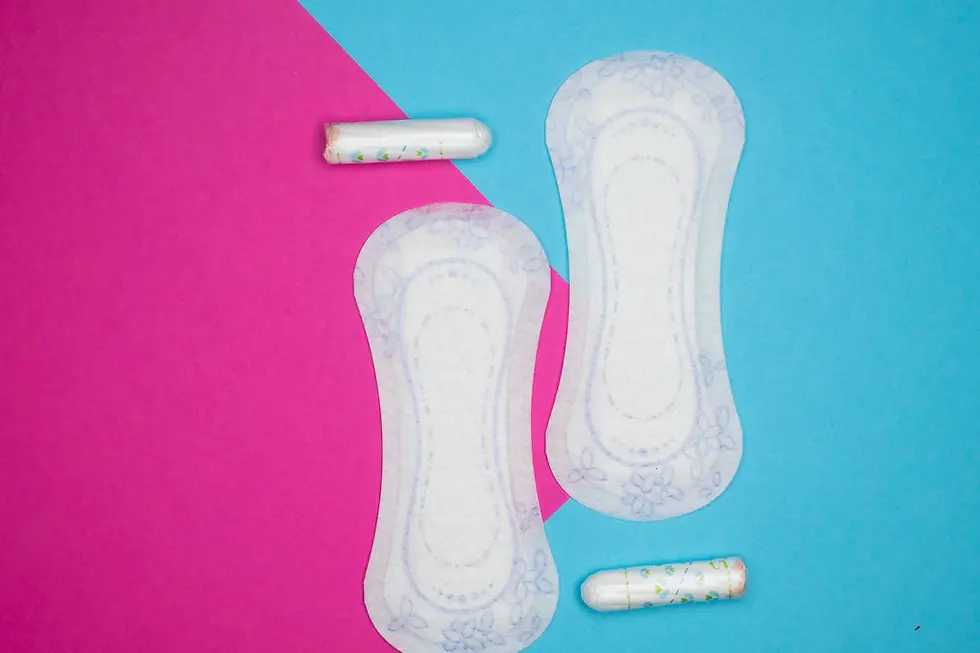
The variety of menstrual products available today provides women with choices, yet inequity in access remains a significant challenge. Many women cannot afford basic menstrual hygiene products, highlighting the need for equitable access to health resources. Initiatives that promote menstrual product distribution in schools and local communities can make a big difference. Advocating for free menstrual products and education in public spaces can improve health outcomes for women everywhere.
Innovations in Menstrual Health
Recent advancements in menstrual health technologies are helping to eliminate the stigma surrounding periods. Apps that track menstrual cycles allow women to monitor their health conveniently. Additionally, research into biodegradable menstrual products is addressing environmental concerns while providing health options. As awareness grows, so does innovation aimed at supporting women’s health in this vital area.
The Role of Academic Research
Academic research plays a critical role in addressing the gaps in knowledge about menstrual health. Studies are continuously being done to uncover the truths about menstrual cycles and their effects on the female body. This research informs public health initiatives and educational materials, allowing women to make better choices regarding their health. Staying informed about new findings is essential for everyone interested in promoting women's health.
Encouraging Conversations Around Menstrual Health
It is crucial to encourage open dialogue around menstrual health, fostering a supportive community where experiences can be shared without judgement. Parents, educators, and health professionals all have roles to play in ensuring that the younger generation understands the importance of these conversations. Normalising discussions around periods can help eradicate shame and promote better health practices, ultimately leading to healthier women.
Empowerment Through Knowledge
Empowerment begins with knowledge. By educating ourselves about menstrual health, we not only improve our own lives but also help others to do the same. Resources such as It’s Probably Nothing challenge misconceptions, providing evidence and discussions that connect the dots in women's health. This book seeks to change the narrative surrounding women's health crises, fostering a more informed and empowered female community. Discover more about this insightful resource here.
Advocacy for Policy Change
Advocating for policies that support menstrual health is another way to break the stigma. This includes promoting policies that subsidise menstrual products, mandating menstrual health education in schools, and encouraging workplaces to provide support for menstruation-related needs. Every voice counts in this movement, and together, we can foster a culture that respects and values women’s health.
A Bright Future for Menstrual Health
As we continue to break the stigma around menstrual health, the future looks promising. Each conversation, each piece of education, and each resource contributes to a broader understanding of the complexities and beauties of the female body. Understanding and addressing menstrual health is essential not just for women, but for societies as a whole. As a united front, we can ensure that every woman feels empowered, educated, and equipped to handle their menstrual health confidently.
In our journey towards better health, awareness and responsibility stand at the forefront. By prioritising education and open dialogue, we can work towards ending the stigma surrounding menstruation. Remember, every discussion leads to greater understanding, which can significantly impact the state of women’s health today and for generations to come. So why wait? Start the conversation, educate the next generation, and embrace the power of knowledge in shaping a brighter future for all.
Explore these insightful reads to enhance your understanding of women's health. The Fifth Vital Sign: Master Your Cycles & Optimize Your Fertility and The Menopause Manifesto: Own Your Health with Facts and Feminism.
Related Products
The Fifth Vital Sign: Master Your Cycles & Optimize Your Fertility - £21.71 - Author: Hendrickson-Jack, Lisa Brand: Fertility Friday Publishing Inc. Binding: paperback Part Number: Illustrations, black and white Details: MENSTR...
The Menopause Manifesto: Own Your Health with Facts and Feminism - £9.49 - Author: Gunter, Dr. Jennifer Brand: Piatkus Features: New Store Stock Binding: paperback Part Number: 9780349427607 Details: 'A guide to counteract m...
FAQs
What is menstrual health and why is it important?
Menstrual health is a crucial aspect of women’s health, encompassing physical, emotional, and psychological well-being. It provides insights into health status and potential issues, making it vital for overall health.
How does stigma affect women's menstrual health?
The stigma surrounding menstruation can lead to feelings of shame and isolation, preventing women from discussing their experiences or seeking help, which can negatively impact their mental health.
Why is education important in breaking the stigma of menstruation?
Education helps dismantle myths, empowers young women to manage their health better, and promotes open dialogue, contributing to a supportive environment for discussing menstrual health.
What role does academic research play in menstrual health?
Academic research is essential for uncovering truths about menstrual cycles and their effects on health, informing public health initiatives and educational materials that help women make informed choices.
What initiatives can improve access to menstrual products?
Advocating for free menstrual products and education in public spaces, alongside promoting distribution initiatives in schools and communities, can significantly improve health equity for women.


Comments